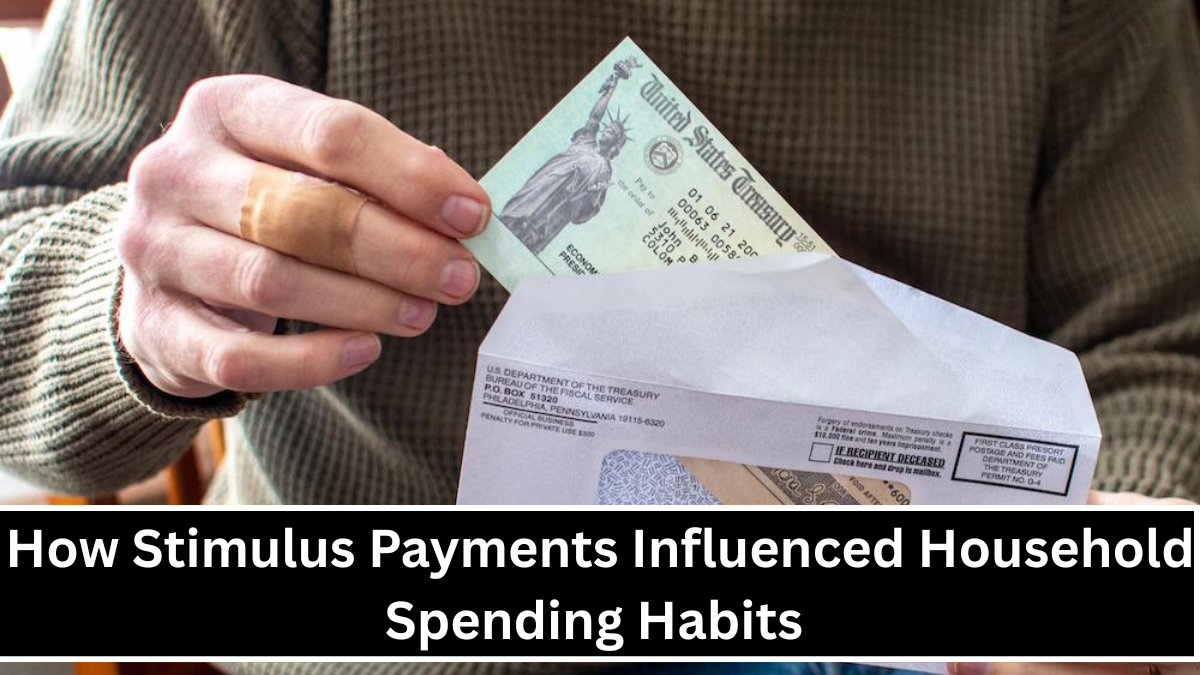
When the COVID-19 pandemic hit the world, millions of people lost jobs, businesses slowed down, and families struggled to cover basic expenses. To help, the U.S. government introduced stimulus payments—cash payments sent directly to individuals and families. These checks gave people financial support during uncertain times. But beyond short-term relief, these payments also had a powerful effect on how people spent, saved, or invested their money. The way households reacted to these payments revealed a lot about spending habits, financial stress, and long-term behavior during a crisis.
Focus Area: Stimulus Payments as a “Modern Coin Drop” in American Homes
Just like how a rare coin can unexpectedly bring value, the stimulus payments acted as a surprise cash boost to millions of households. This sudden deposit into people’s bank accounts was a turning point in modern American spending behavior. For some families, it helped pay overdue rent, utility bills, or buy groceries. For others, it meant finally buying a laptop for online schooling or catching up on car repairs.
Interestingly, surveys and bank data showed that people didn’t all spend the money the same way. Here’s how most Americans used their stimulus checks:
- Basic Needs: A large portion of low-income families spent their checks on essentials like food, rent, medical bills, and utilities.
- Paying Off Debt: Some used the money to clear credit card balances or loans, reducing their future financial burden.
- Saving for Emergencies: Many middle- and upper-income households saved the money due to the uncertainty of the future.
- Online Shopping and Consumer Goods: A part of the population used the payments for electronics, furniture, and home improvements.
- Investing: A younger crowd even put their stimulus money into stocks or cryptocurrencies.
The stimulus wasn’t just about short-term spending—it became a tool that shaped how Americans think about money, budgeting, and financial planning during hard times.
How the Stimulus Changed Spending Habits
One of the most interesting outcomes of the stimulus payments was the change in consumer behavior. Here are some long-term trends:
- Increased Online Spending: People grew more comfortable shopping online. E-commerce platforms saw major growth, even after lockdowns ended.
- Rise in Personal Savings: At the start, personal savings rates hit historic highs, as people became cautious about future income.
- More Awareness of Budgeting: With extra money in hand, many people took the chance to learn about budgeting, leading to smarter spending choices.
- Growth in Retail and DIY Purchases: Since people stayed home more, spending on home goods, kitchen equipment, and hobbies grew.
- Temporary Boost in the Economy: The stimulus also helped the overall economy by increasing demand in slow sectors like travel, dining, and retail.
These trends showed that a single government decision—like sending direct payments—could have a big impact on both the macro economy and everyday household habits.
The stimulus payments of the COVID-19 era were more than just emergency help—they were a financial turning point for many American families. They revealed how people prioritize their needs when given sudden financial support. Some used it for survival, others for debt reduction, and a few for investments. These choices taught us how people handle money in crisis, and how even temporary help can create lasting changes in behavior. The story of stimulus checks is a powerful example of how public policy can shape the way we live, spend, and save.
FAQ’s:
Q1. What were stimulus payments used for the most?
A1. Most people used them for essential needs like food, rent, utility bills, and medical expenses. Others used them for savings or paying off debt.
Q2. Did stimulus payments help the U.S. economy?
A2. Yes. They helped boost consumer spending, supported small businesses, and kept the economy from falling deeper into recession during the pandemic.
Q3. Did everyone spend their checks right away?
A3. No. Some people spent immediately on necessities, while others saved the money or used it to pay down debt depending on their financial condition.
Q4. Did stimulus payments create long-term changes in spending?
A4. Yes. People became more cautious, saved more, shopped online more often, and developed better budgeting habits in many cases.
Q5. Will the government send stimulus checks again in the future?
A5. It depends on the situation. Future stimulus payments may happen if there’s another national emergency or economic crisis, but they are not guaranteed.