
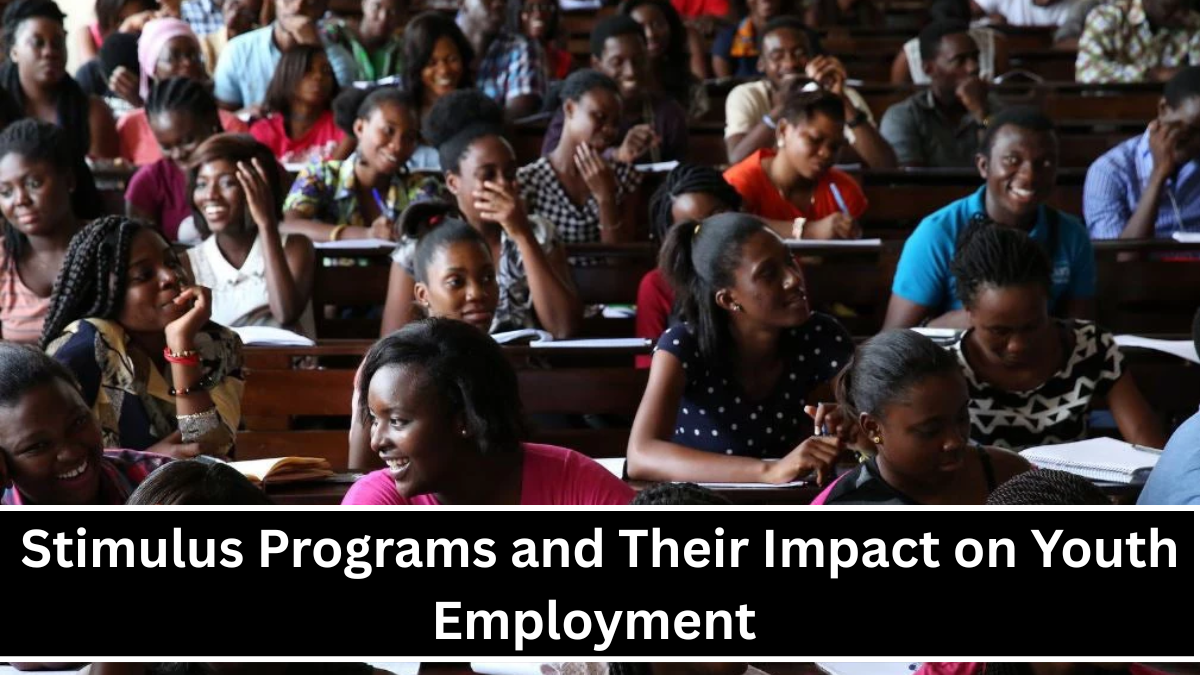
When the economy faces problems—like during a recession or pandemic—governments take steps to help people and businesses. One of the most common tools is a stimulus program, which puts money into the economy to boost activity. While these programs help the nation overall, one group that often benefits directly is young people looking for jobs. Youth employment is a big challenge, especially during economic downturns. Stimulus programs can create jobs, support training, and open new opportunities for youth. In this article, we’ll understand what stimulus programs are and how they impact youth employment in both short and long terms.
What Are Stimulus Programs?
Stimulus programs are special government efforts to support the economy during tough times. They often include cash payments, tax cuts, public works projects, job creation schemes, and financial support for businesses. The goal is to increase spending, keep businesses running, and help people stay employed.
There are different types of stimulus programs:
- Direct cash transfers (like relief payments to individuals)
- Wage subsidies (government helping to pay salaries)
- Public infrastructure projects (roads, schools, hospitals that require labor)
- Job training programs (to upskill unemployed youth)
For example, during the COVID-19 pandemic, many countries, including India and the United States, launched large stimulus packages to help people survive lockdowns and unemployment. These packages focused not just on companies, but also on workers—especially young workers who were at higher risk of losing jobs.
Youth, especially fresh graduates or school leavers, are often the first to face hiring freezes or layoffs. Stimulus programs give them a chance to enter or stay in the job market by creating more opportunities.
How Stimulus Programs Impact Youth Employment
Stimulus programs affect youth employment in several powerful ways:
- Job Creation in Government Projects
Many stimulus efforts focus on infrastructure—like building roads, bridges, or schools. These projects require workers, and governments often give preference to young or first-time job seekers. - Support for Small Businesses
Young people often work in small or medium-sized businesses. Stimulus money can help keep these businesses open, allowing them to retain or hire more young workers. - Training and Skill Development
Some programs offer free training or apprenticeships. These allow youth to gain work experience, improve their resumes, and get better-paying jobs. - Internships and Entry-Level Opportunities
Some stimulus packages encourage companies to hire interns or entry-level workers by covering part of their wages, reducing the risk for employers. - Boosting Confidence in the Economy
When governments take strong steps, it increases confidence in the economy. More confidence means businesses are more likely to hire, and youth feel more encouraged to search for jobs or start their own ventures.
However, the success of these programs depends on how well they are planned and executed. Sometimes the money may not reach the right people, or the projects may take too long to start. But when done right, stimulus programs can be a powerful tool to reduce youth unemployment and build a stronger future workforce.
Table: Stimulus Program Benefits for Youth
| Area of Impact | How It Helps Youth Employment |
|---|---|
| Public Projects | Creates entry-level labor jobs |
| Small Business Support | Keeps businesses hiring |
| Skills Training | Makes youth job-ready |
| Wage Subsidies | Encourages hiring of fresh graduates |
| Entrepreneurship Funding | Supports young startups |
Youth are the future of any country, and keeping them employed is important for social and economic development. Stimulus programs play a key role in supporting young people, especially during crises. Whether through job creation, training, or business support, these programs offer a path forward when the job market becomes difficult. While no program is perfect, a well-designed stimulus plan can provide hope, stability, and new chances for millions of young job seekers. Governments, educators, and communities must work together to ensure that the benefits of such programs reach youth—because when the youth succeed, the country moves forward.
FAQ’s:
Q1. What is a stimulus program?
A1. A stimulus program is a government action to boost the economy, often during a crisis. It may include financial support, tax cuts, or job creation schemes.
Q2. How do stimulus programs help young job seekers?
A2. They create new jobs, support businesses that hire youth, and provide skill training to improve job readiness.
Q3. Are stimulus programs only for unemployed people?
A3. No. They also support people already working by helping businesses stay open and avoid layoffs. Some programs also encourage new hiring.
Q4. Do all stimulus programs create jobs right away?
A4. Not always. Some take time to implement, but over the long term, they can lead to more job opportunities and a stronger economy.
Q5. Can youth start their own businesses with help from stimulus plans?
A5. Yes. Some programs offer startup loans, training, and mentorship for young entrepreneurs, helping them build their own future.